
MENTAL HEALTH RESOURCES & REFLECTIONS
explore therapist-written resources about anxiety, trauma, people-pleasing, religious trauma, attachment, relationships & learning to trust yourself.
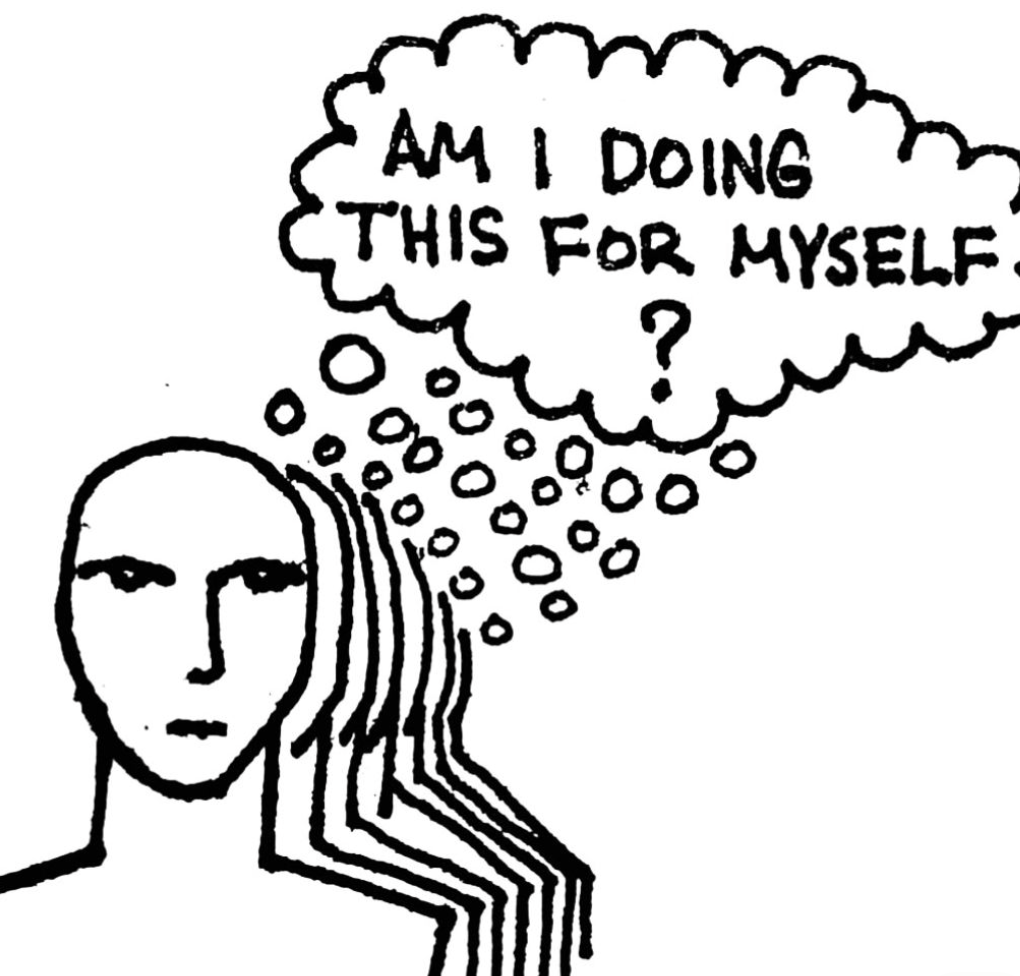
RELIGION, CODEPENDENCY & PEOPLE-PLEASING: WHEN BELONGING REQUIRES SELF-ABANDONMENT
What happens when being “good” means being selfless, agreeable, obedient, and willing to sacrifice? Certain religious environments can reinforce people-pleasing and appeasement patterns that continue long after our beliefs change.
NINE SIGNS OF ENMESHMENT IN RELIGIOUS ENVIRONMENTS
Religious communities can offer meaningful connection and belonging—but closeness becomes complicated when there isn't room to be a separate person. Here are nine signs enmeshment may be affecting your beliefs, boundaries, identity, and relationships.
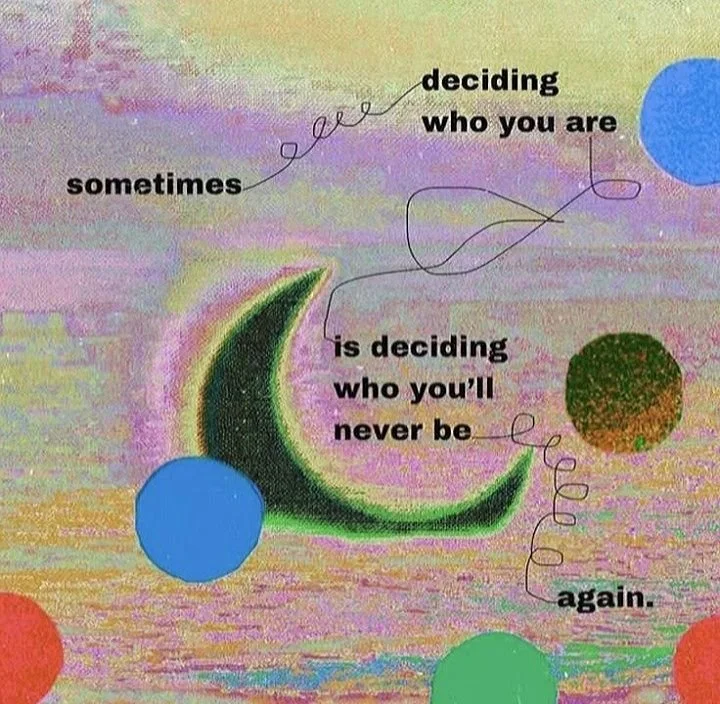
WHO AM I WITHOUT RELIGION? IDENTITY LOSS & SELF-DISCOVERY AFTER LEAVING A FAITH
Leaving or questioning religion can create an unexpected identity crisis: if this isn't what I believe anymore, who am I? Explore eight areas where religious identity can involve both loss and new opportunities for self-discovery.
RITUALS & RELIGION: WHAT WE MISS WHEN WE LEAVE A FAITH
You can miss a religious ritual without wanting your old religion back. When faith changes, we may also grieve the traditions, rhythms, community, and sense of meaning that once came with it.
RELIGIOUS DISENCHANTMENT: WHEN YOUR ENTIRE WORLDVIEW CHANGES
Leaving a religion can involve much more than changing what you believe. Religious disenchantment gives language to the grief, disorientation, and identity shifts that can happen when a worldview that once organized your life no longer feels true.
STRONG IN OUR SEPARATENESS: INDIVIDUATION, RELIGION & BELONGING WITHOUT CONFORMITY
Belonging doesn't have to mean becoming the same as the people we love. Carl Rogers's ideas about being “strong in our separateness” offer a beautiful way to think about individuation, religious change, and staying connected across differences.
REDEFINING, RECLAIMING & REFRAMING: FINDING YOUR OWN LANGUAGE AFTER RELIGION
When religious beliefs change, the language we use to understand ourselves doesn't always change with them. Redefining, reclaiming, and reframing can help us decide which beliefs and definitions still feel like ours—and which ones we're ready to change.