Examining our beliefs is a healthy, normal part of being human! Sometimes we realize that words we've used for years don't mean what they once did. This can be especially big within religion or after our beliefs change. Religion can hand us an entire language for understanding ourselves and the world: good and bad, right and wrong, righteous and unrighteous, worthy and unworthy. Those words can get so familiar that we don't even notice how much they're shaping the way we see our choices, bodies and identities.
When we start examining our beliefs, something really beautiful can happen. We get the chance to reclaim some of our power by deciding which definitions still belong to us, which ones we want to change and which ones we just don't need anymore.
WE CAN REDEFINE THE LANGUAGE WE WERE GIVEN
Sometimes faith changes before our LANGUAGE does. You might not believe what you used to, but still find yourself interpreting your life through the categories you were given. Something feels "wrong" even though you no longer think it's morally wrong. Making a choice for yourself feels "selfish," or questioning feels "dangerous." You can disagree with all of that intellectually and still notice the old labels popping up on their own.
Part of redefining is getting curious about those words instead of treating them as automatic truth. What does "selfish" mean to me now? What does it mean to be a good person if I'm not using the same religious framework to answer that question anymore? You don't have to throw out every definition you learned through religion, and some of them might still feel deeply meaningful. The difference is that now you get to examine them and decide for yourself.
WE CAN REFRAME “RIGHT OR WRONG” INTO LANGUAGE THAT MAKES ROOM FOR OUR EXPERIENCE
One of my favorite ways to do this is trading language that hands down a moral verdict for language that describes what you're actually experiencing. Instead of good or bad, we can ask: Does this work for me? Instead of right or wrong: Does this align with my values? And instead of righteous or unrighteous: Is this how I want to live my life?
You might notice yourself saying things like, This resonates with me, or this doesn't make sense to me. This brings me comfort, or this brings me confusion and pain. This is something I need, or this doesn't feel healthy for me right now. Some of those can still sound black and white, since I wrote them as opposites (I see it too!). But they bring you back INTO your experience. Rather than measuring yourself against an outside standard, you're practicing noticing your own opinions, values, needs and feelings.
REFRAMING DOESN’T MEAN “IF IT FEELS GOOD, IT MUST BE RIGHT”
This distinction matters a lot. Reclaiming your own perspective doesn't mean whatever you want automatically becomes healthy, ethical or harmless. Other people's needs still matter, and sometimes we hurt people and need to take accountability.
We're not trying to trade one rigid framework for another where your immediate feelings become the only authority. Your experience just deserves a seat at the table, right next to your values, the impact of your choices, other people's needs and rights, and whatever information you have. We can think critically instead of swapping "the church says this is right" for "I feel this is right." Reclaiming your power includes trusting yourself enough to question, learn, change and sometimes admit you were wrong :)
WE CAN RECLAIM WORDS THAT STILL MATTER TO US
Sometimes healing means getting rid of language that doesn't fit anymore. Other times it means deciding a word doesn't have to belong ONLY to the version of religion you learned it from. Maybe prayer becomes meditation, reflection or connection (or maybe you still call it prayer!), or maybe morality is still really important to you even though the framework behind it has changed.
You might want to reclaim ideas like faith, ritual, community or even God. Or you might decide some of those words carry meanings you don't want anything to do with, which is completely okay too. There isn't one correct way to do this, and reclaiming means you get to decide what, if anything, you want to take with you.
WE CAN MAKE ROOM FOR “RIGHT NOW”
One thing that makes changing beliefs so scary is the pressure to replace certainty with NEW certainty. But you don't have to know what you believe forever!! Adding a few tiny words can create so much space: right now, currently, in this season. This brings me confusion in my current season. This is something I need right now. This is what makes sense to me at this point in my life.
That language lets you take yourself seriously without demanding permanence from yourself, because what you believe today doesn't have to become a contract with your future self. You're allowed to decide that something you rejected has meaning for you again, or that something you once reclaimed doesn't anymore, and changing your mind doesn't mean you were wrong to trust yourself before.
GRAY AREAS CAN BE PART OF RECLAIMING OUR POWER
When you've spent a lot of time in environments with a clear answer for everything, uncertainty can feel really uncomfortable. Reframing asks you to tolerate a little more gray. Something might have helped you in some ways and harmed you in others. You might miss parts of religion and have zero interest in going back, or disagree with a teaching and still understand why someone you love finds meaning in it.
You might be angry about what you experienced AND grateful for parts of the person you became. You don't have to choose one interpretation and erase the other. Sometimes reclaiming your experience means letting it get more complicated.
YOU GET TO PARTICIPATE IN DEFINING YOUR OWN LIFE
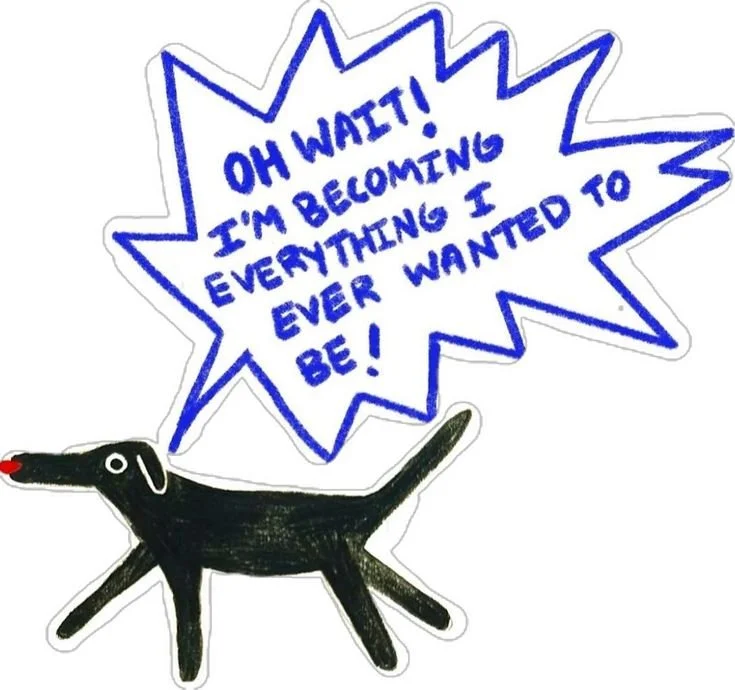
For me, that's what redefining, reclaiming and reframing all come back to: becoming an active participant in how you understand your own life. You can examine the definitions you inherited instead of assuming they're permanent, keep the language that still serves you, change what doesn't and let go of words you don't want to organize yourself around anymore. You can trade automatic judgments for curiosity while still being thoughtful about how you affect other people.
And you can leave some questions unanswered for now. Reclaiming your power doesn't require finally knowing the "right" answer to everything. Sometimes it looks like trusting yourself enough to say, This is what makes sense to me right now, and I'm allowed to keep learning!
If this resonates with you, especially if you're trying to figure out which beliefs, values, definitions or parts of yourself still feel like yours after questioning or changing your faith, this is something we can explore together in therapy. Learn more about how I work with religious trauma →
I offer online therapy for women in Alaska, Arizona, Texas, Utah & Washington. Schedule a free 15-minute consultation.
credit: source unknown
