Maybe you were the mature one growing up, the responsible one, the kid who didn't cause problems. You helped take care of everyone, could tell the second a parent was stressed, and figured things out without needing much help. You probably got a lot of praise for it (and you might honestly still like being that person!). But sometimes underneath those strengths is a kid who learned WAY earlier than they should have that other people's needs came first.
Parentification generally describes a role reversal where a child takes on responsibilities that more appropriately belong to a parent or another adult. Sometimes it's practical, like regularly caring for siblings or handling adult tasks, and sometimes it's emotional, like becoming a parent's confidant, mediator or the person in charge of keeping everyone okay.
Not every responsibility given to a child is parentification. Helping around the house, caring about your family and slowly taking on age-appropriate responsibilities can all be healthy parts of growing up! The bigger question is whether you were repeatedly expected to carry more than was appropriate for your age, especially when it meant your own emotional or developmental needs got pushed to the side. And honestly, the easiest place to spot that pattern is often in who you've become as an ADULT, more than in your memories of childhood.
1. YOU FEEL RESPONSIBLE FOR EVERYONE ELSE
You might be extremely tuned in to other people's needs, moods and problems. When someone you love is struggling, your brain immediately starts brainstorming what you can do, and when there's conflict, you're the one mediating.
Being caring is a lovely thing!! If you were parentified, though, caring may have gotten tangled up with RESPONSIBILITY, so "I care that you're struggling" quietly turns into "It's my job to make this better." That can make it really hard to tell where your responsibility ends and someone else's begins. You might feel guilty when you can't help, or selfish when you choose not to step in. Part of healing is learning that you can care about someone without becoming responsible for their entire experience.
2. YOU HAVE A HARD TIME KNOWING WHAT YOU NEED
When you spend a lot of your childhood paying attention to what other people need, there isn't much room to learn how to pay attention to yourself. You might be able to walk into a room and instantly clock who's uncomfortable, stressed, irritated or left out, but when someone asks "What do you need?" your mind goes completely blank. A lot of people only notice their needs once they're exhausted, resentful or totally burned out.
That doesn't mean you don't HAVE needs. You've just had a lot more practice noticing everyone else's. And if expressing your needs added stress for an already overwhelmed parent, you may also have learned to be easy. You handled things yourself and tried really hard not to become one more problem someone had to solve. What looked like independence may have partly grown out of the fact that needing other people didn't always feel available to you.
3. RECEIVING HELP MAKES YOU UNCOMFORTABLE
You might love helping other people and feel deeply uncomfortable when the roles get reversed. Someone offers support and "I'm fine!" comes out before you've even thought about it. You'd rather spend three hours figuring something out alone than send one text asking for help.
For someone who learned to be the caretaker, receiving can feel way more vulnerable than giving. Giving lets you stay capable and useful, while receiving asks you to admit that you need something too. Healing from parentification can mean practicing relationships where care moves in BOTH directions. You don't have to stop being generous or independent, you just get to find out what it feels like when those things are choices instead of requirements for belonging.
4. YOU FEEL GUILTY WHEN YOU PRIORITIZE YOURSELF
If your role in your family was keeping things running, prioritizing yourself can still feel like you're neglecting someone. You might technically know you're allowed to say no, rest, spend money on yourself, or make a decision your family doesn't love. Emotionally, though, those choices can bring up a whole lot of guilt.
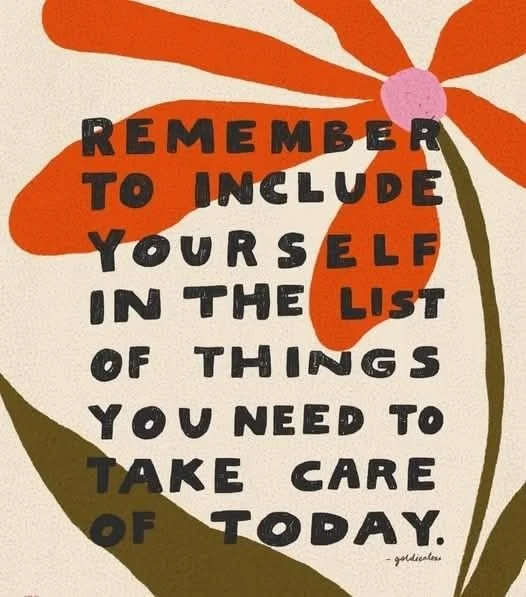
This is one of the most confusing parts of changing old family roles: doing something healthy can feel WRONG at first. If you learned that being good meant being helpful, available and self-sacrificing, choosing yourself can feel totally inconsistent with who you think you're supposed to be. I'm not asking you to stop considering other people, of course :) The work is adding yourself to the list of people whose needs actually matter.
5. YOU FEEL SAFEST WHEN YOU’RE THE ONE IN CONTROL
Being the capable one can create a real sense of safety. If you're the one planning, organizing, remembering everyone's dentist appointments, anticipating problems and making sure things get done, then maybe nothing will fall apart. As an adult, that can look like a hard time delegating, frustration when people don't load the dishwasher the way you would, or a constant feeling that something will go wrong the second you stop paying attention.
This usually has very little to do with wanting to control everyone. Sometimes control develops because being responsible became one of the ways you learned to create stability. So letting someone else take responsibility might mean practicing the really uncomfortable experience of NOT stepping in, letting someone solve their own problem, asking for help, and finding out that other people can take care of things too.
THE STRENGTHS YOU DEVELOPED ARE STILL YOURS
One of the complicated things about parentification is that a lot of the qualities that grow out of it are qualities we really value. You might be empathetic, organized, or unbelievably good at taking care of people. Healing doesn't require deciding those qualities are bad or getting rid of them!
I think the question becomes whether you have some flexibility around them. Can you be responsible and still let someone else handle something? Can you care about people and let them have problems you can't solve? Can you notice what everyone else needs and then remember to ask what you need too? You can appreciate the person you became while also acknowledging that you shouldn't have needed to become that person so early.
If this resonates with you, especially if you grew up feeling responsible for your family's emotions, stability or needs and still find yourself carrying that role into adulthood, this is something we can explore together in therapy. Learn more about how I work with attachment wounds →
I offer online therapy for women in Alaska, Arizona, Texas, Utah & Washington. Schedule a free 15-minute consultation.
credit: www.instagram.com/miathehoooman & www.instagram.com/goldiealexx
